
Hydrodynamic optimisation

Pioneer technologies. Proven savings.

Tailor-engineered Energy Saving Devices that turn EEXI and CII compliance into measurable fuel reduction, delivered in turn-key package, from CFD evaluation to class verification.

2,000+applications
≤ 12%energy saving effect
Classverified results
Objective

Closing the gap on carbon regulations.

With our exclusive principal CMES-Tech and the towing tanks of CSSRC, we apply pioneer hydrodynamic technologies that lead the energy efficiency sector — each device designed around the vessel it will be fitted to.

CMES-Tech logo
CSSRC logo
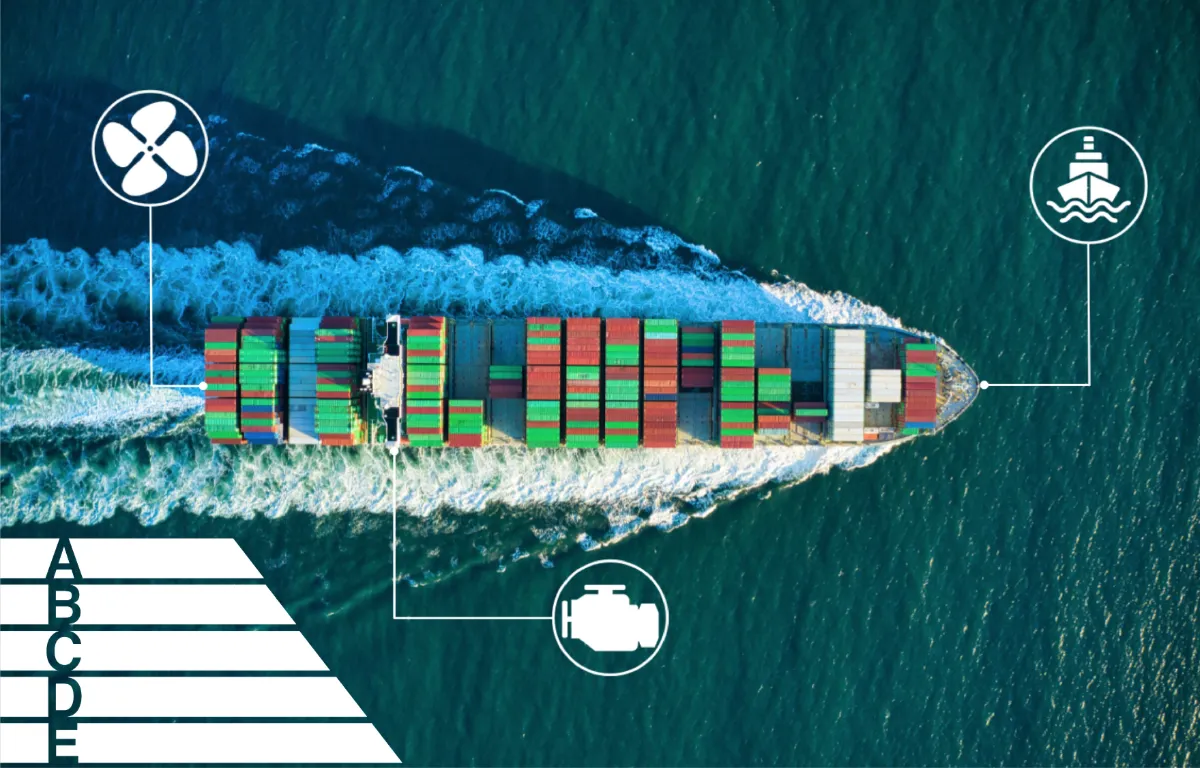
Container ship seen from above with the energy saving areas marked and an A to E rating scale
Evaluate

In-depth fleet evaluation.

A full technical and operational evaluation of each vessel’s energy profile, working with you to establish its current compliance status. Our contacts network lets us trace missing drawings and documents, which often decides the best result.

  • Last years CII Rating performance
  • Improvement according to each solution
  • Energy Saving Device proposal
  • Detailed case vessel evaluation
Solutions

Energy saving technologies.

Energy upgrades are the method followed worldwide to improve EEXI and CII ratings. Three devices work together around the propeller; each is sized for the vessel after CFD evaluation.

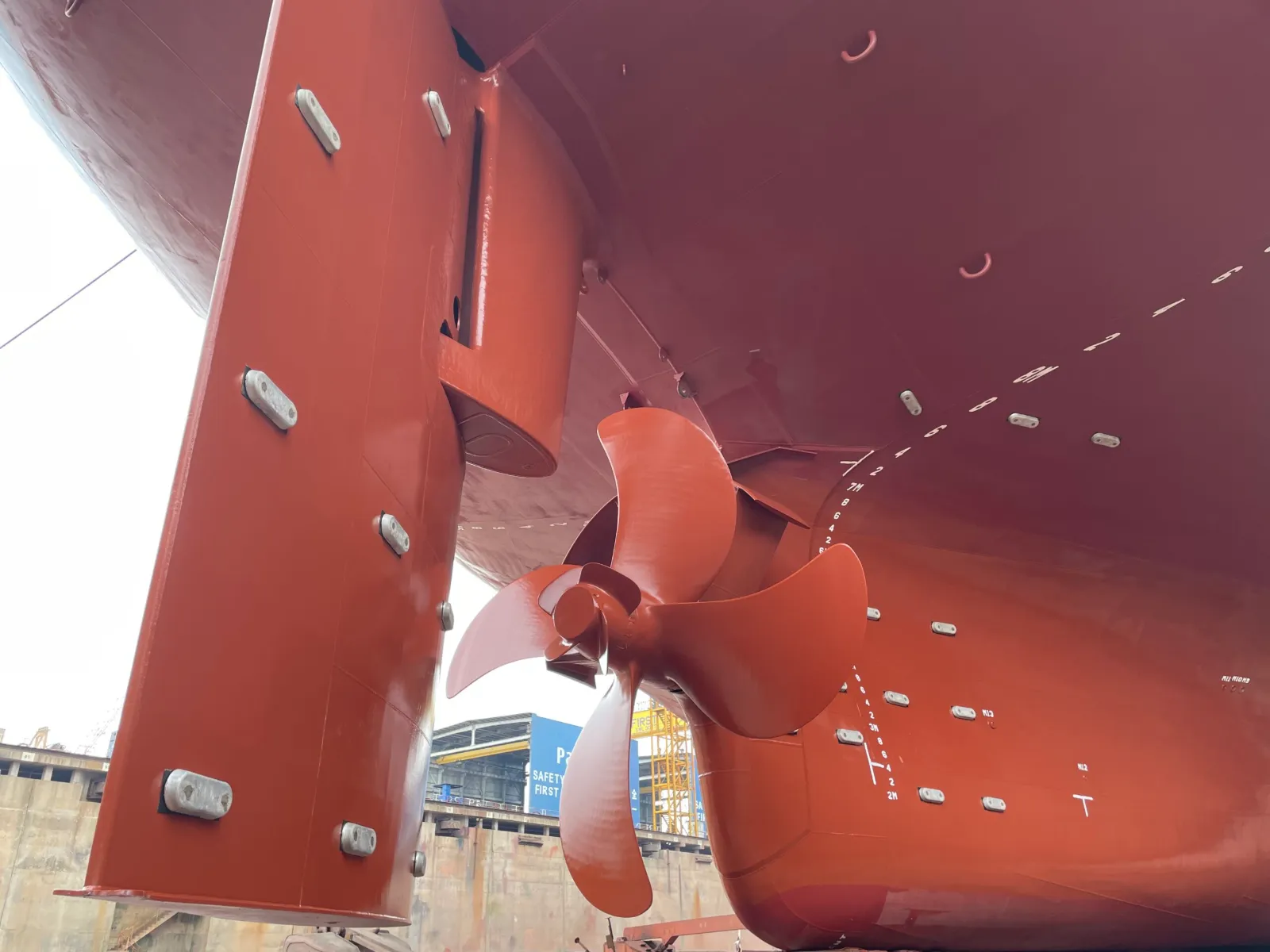
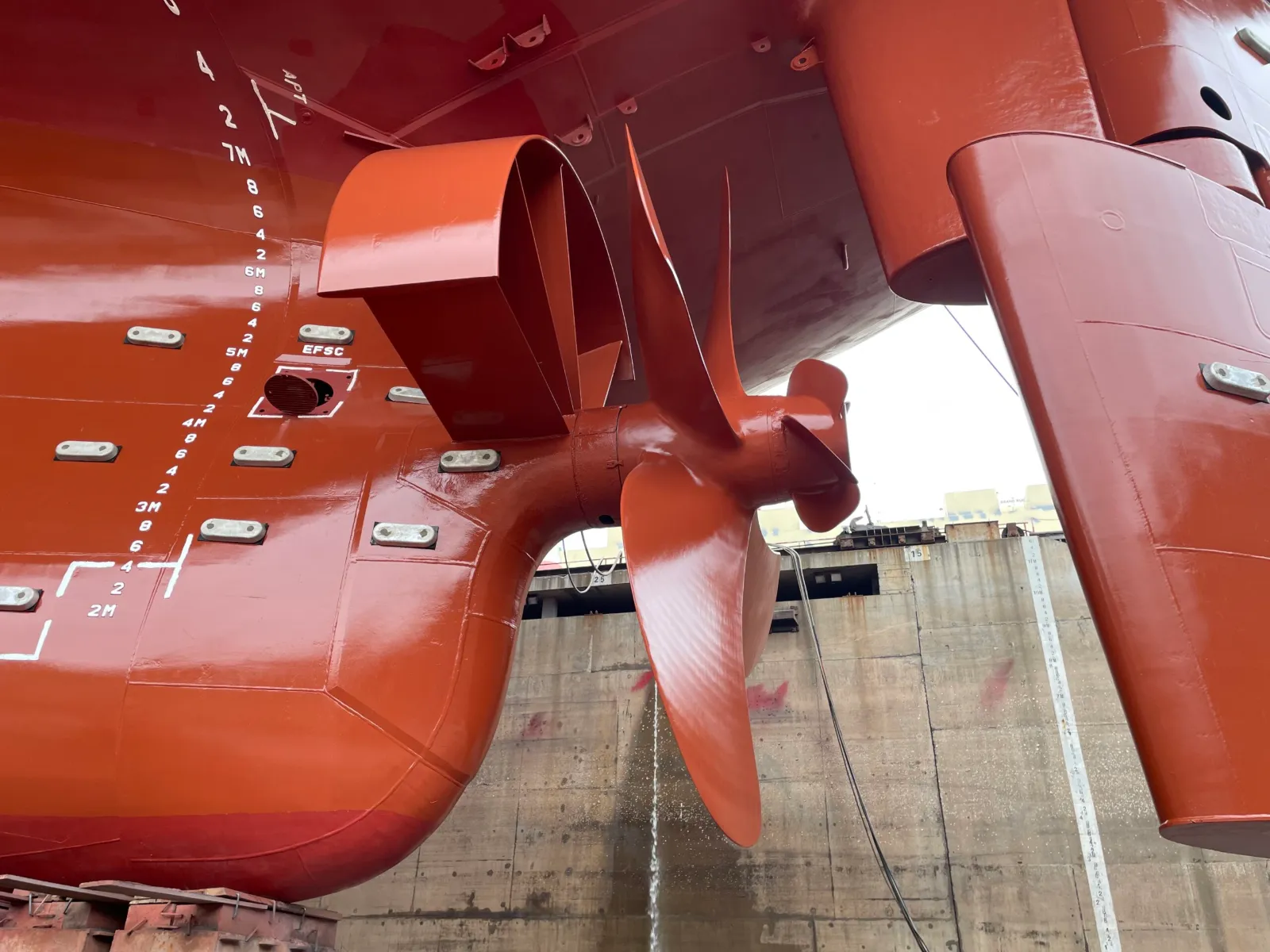
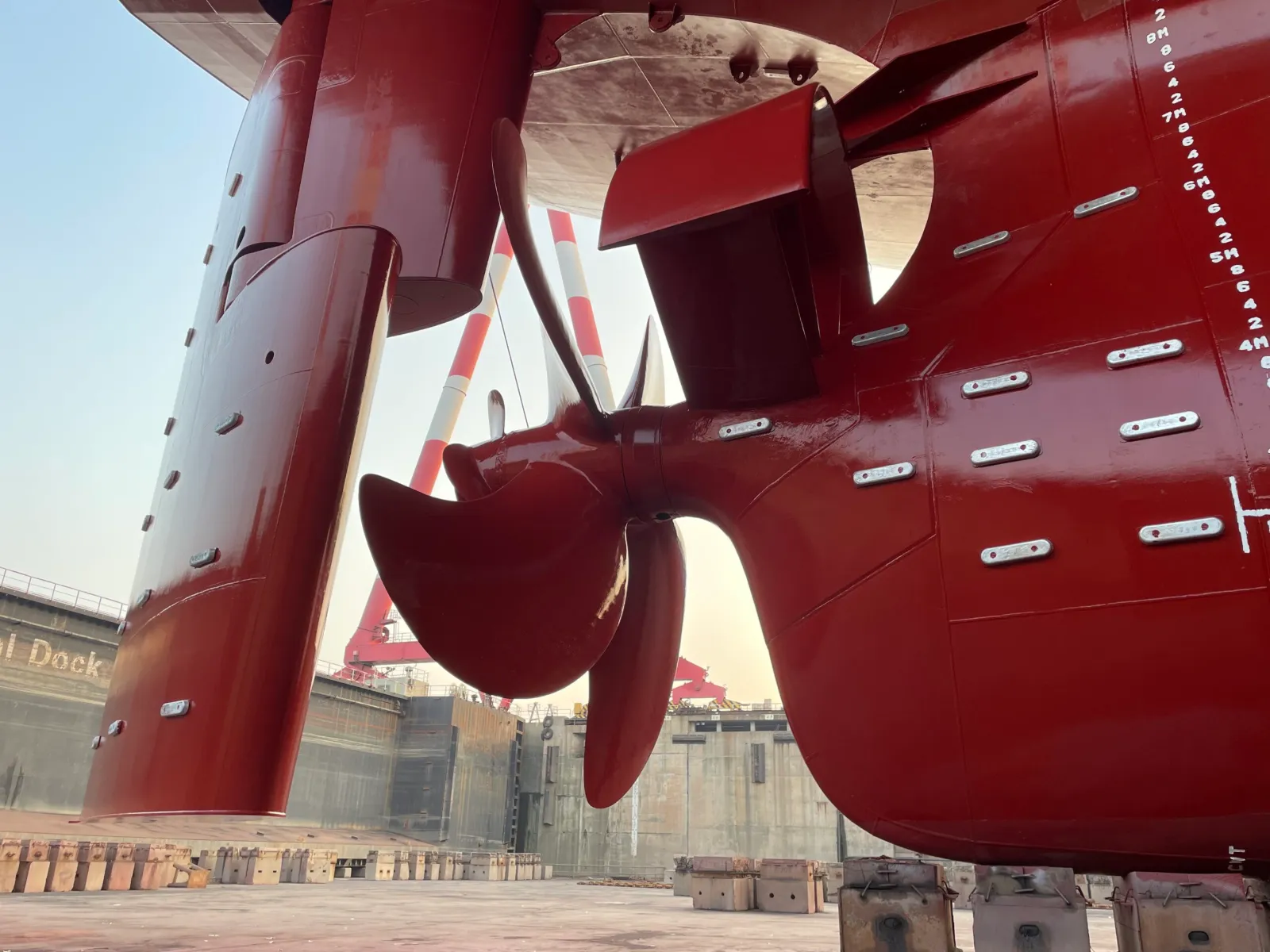
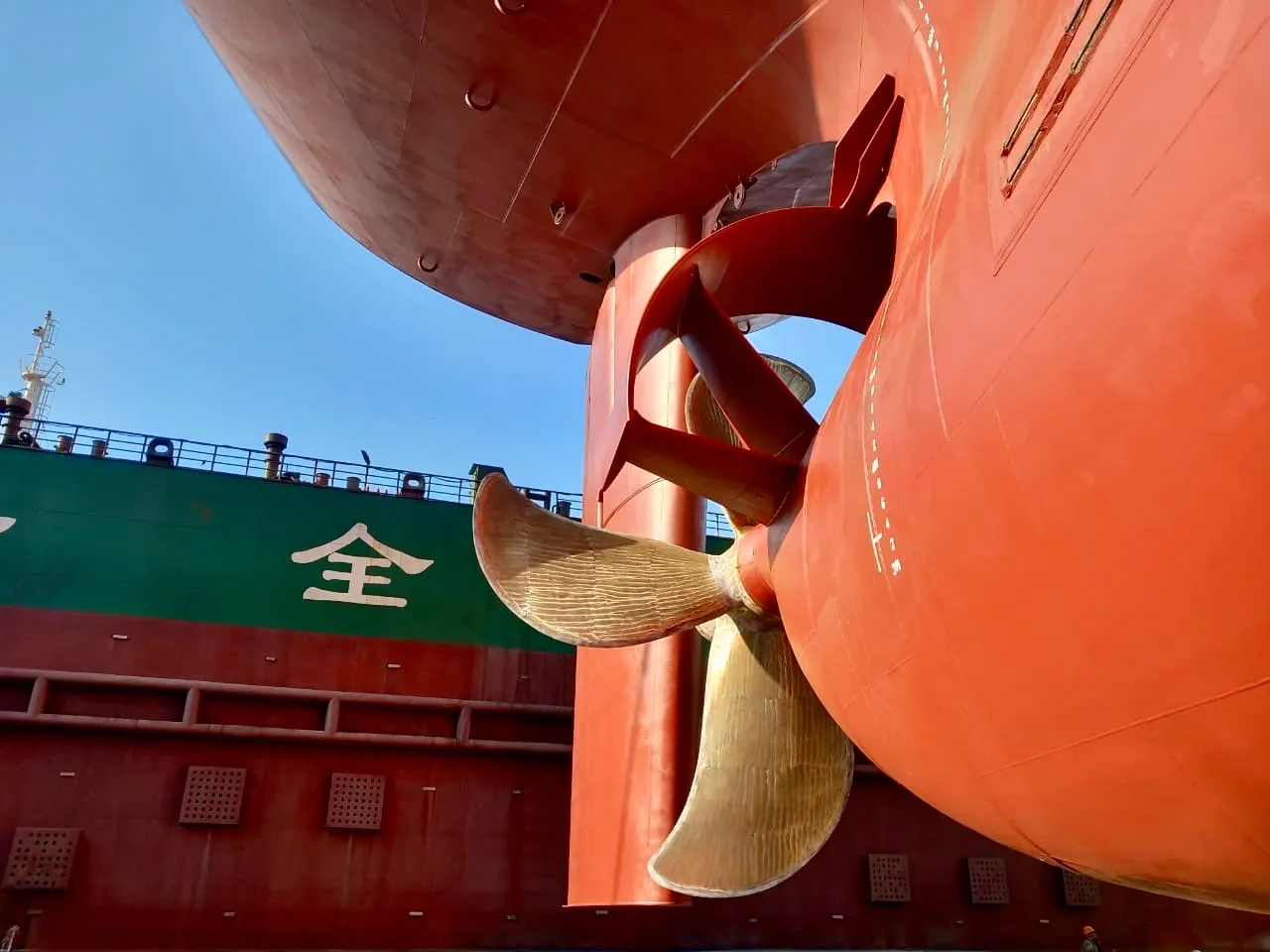
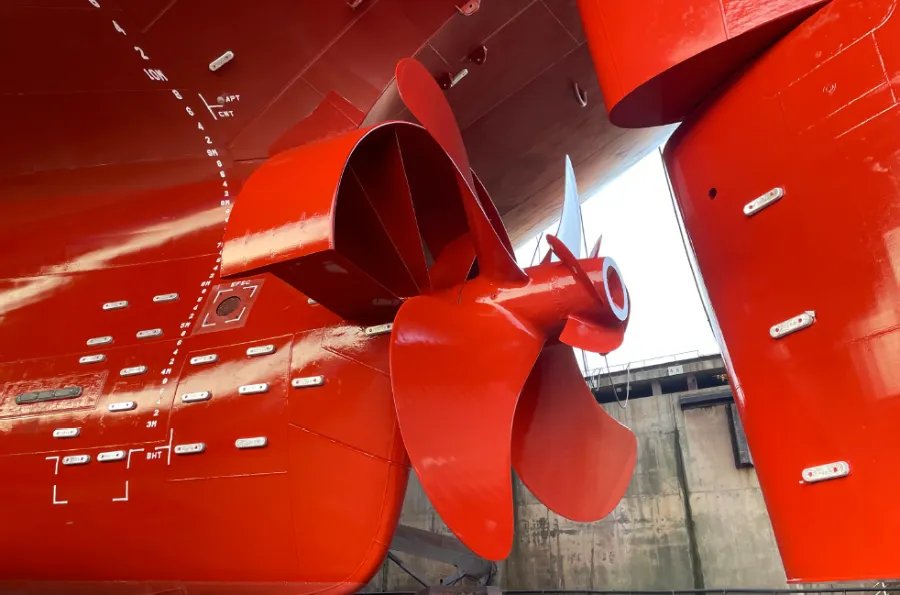
Stern of a vessel in drydock: rudder on the left, propeller in the centre and a pre-shrouded vane duct on the right123
Where each device sits around the propeller.
DeviceTypical saving0 – 10%
1

Pre-Shrouded Vanes

PSV
Vanes in a duct ahead of the propeller that pre-swirl the flow onto the blades.
3–8%
2

High-Efficiency Propeller

HEP
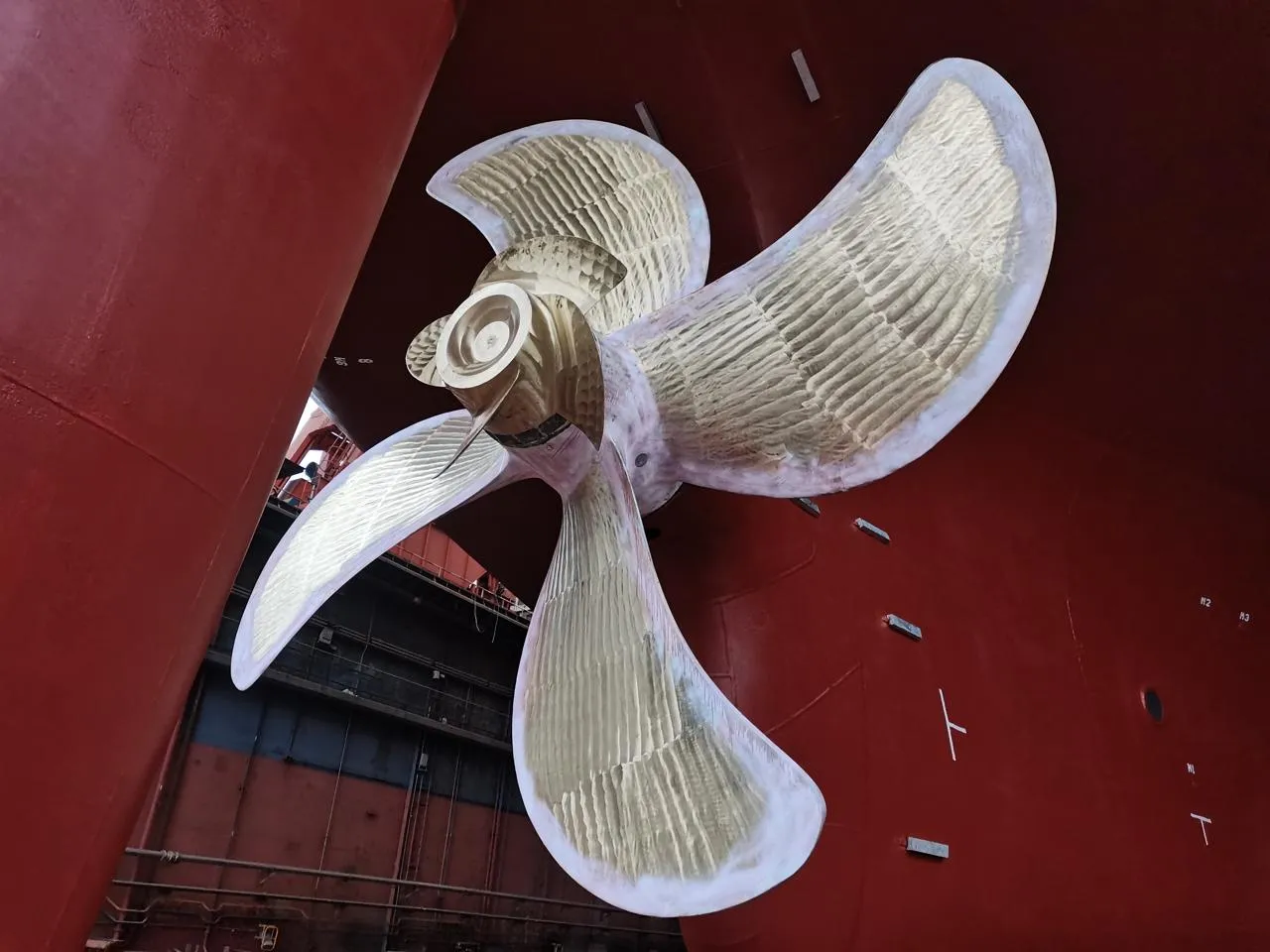
A new propeller designed for the vessel’s actual operating profile.
3–5%
3

Hub Vortex Absorb Fins

HVAF
Fins on the propeller cap that break up the vortex behind the hub.
2–5%
Also available

2–4%

Rudder Bulb

Recovers rotational energy from the propeller slipstream at the rudder.

10–15%of load

Propeller trailing-edge trimming

Blade edges re-profiled in situ to class-approved drawings.

~10%

Wind-assisted propulsion

Wind-assist systems installed on deck.

Tailored engineering

A complete turn-key process.

From selecting the solution to EEXI verification: six engineered stages, one accountable partner.

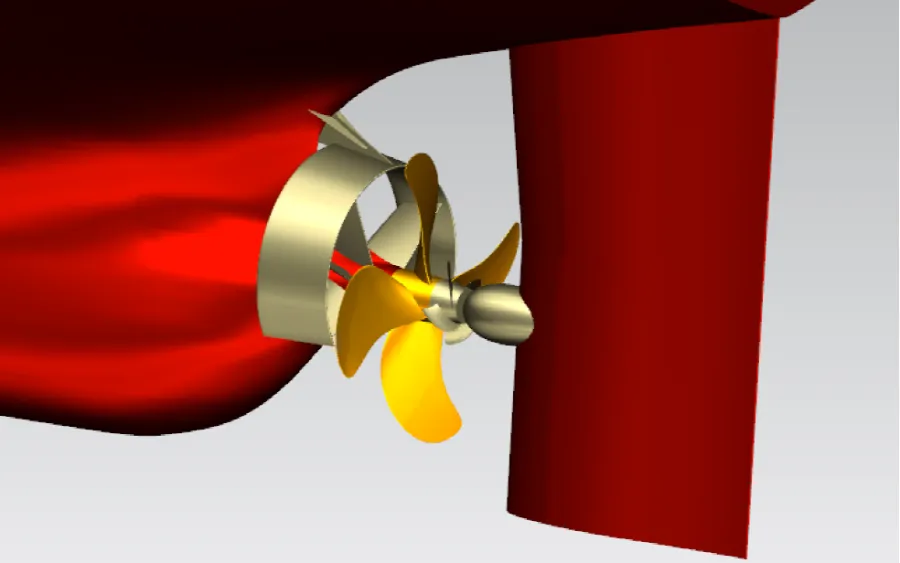
CFD model of a stern with pre-shrouded vanes, a propeller and the rudder
1

CFD evaluation

Computational fluid dynamics

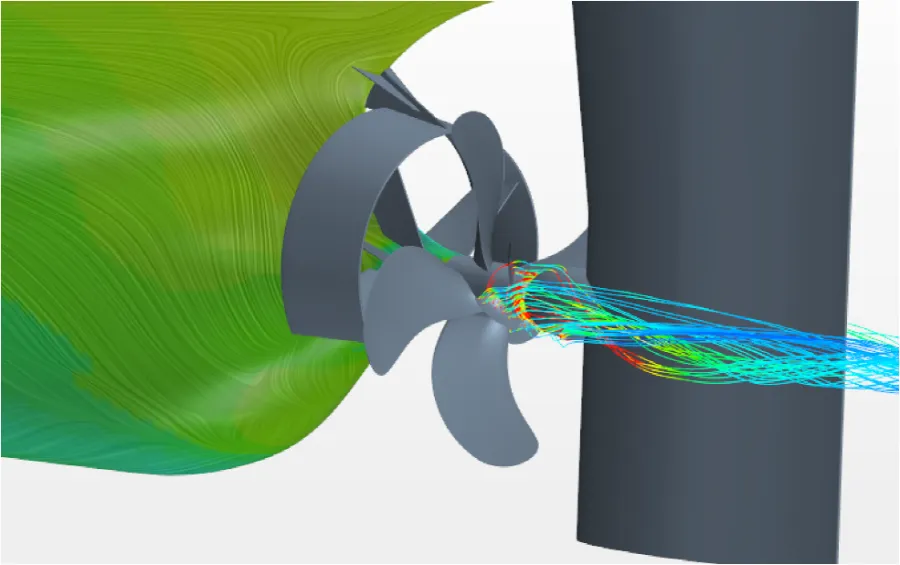
Input data is collected for a first CFD evaluation. The most suitable devices for the vessel are presented in a preliminary energy-saving report.

Flow simulation streamlines passing through a ducted propeller
2

SBD optimisation

Simulation-based design

Once the solution is chosen, the design is tailored to the vessel’s specific needs and operating profile through simulation-based design.

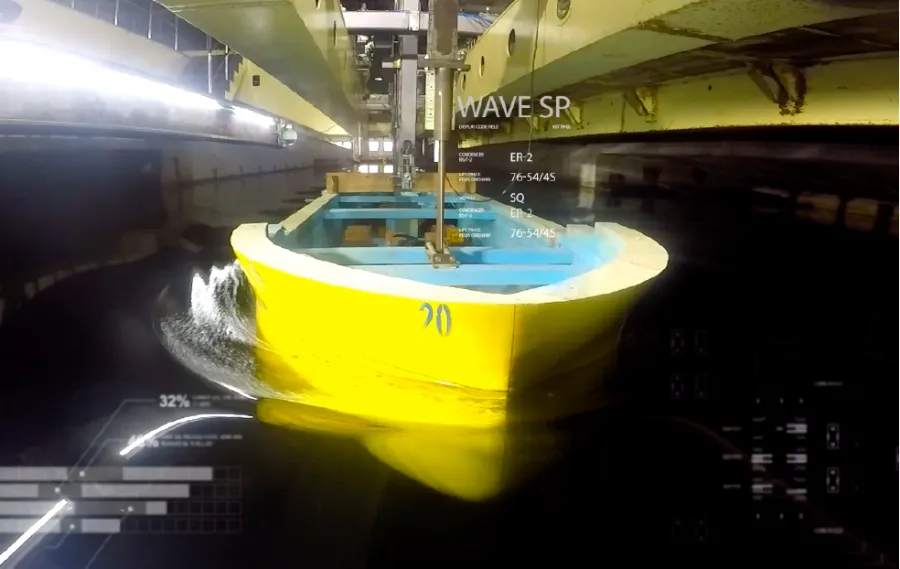
Scale hull model running in a towing tank
3

Model tests

Deep-water tank validation

The final design is built at scale with the vessel’s complete hull model and tested in CSSRC’s deep-water towing tank, validating performance for class approval.

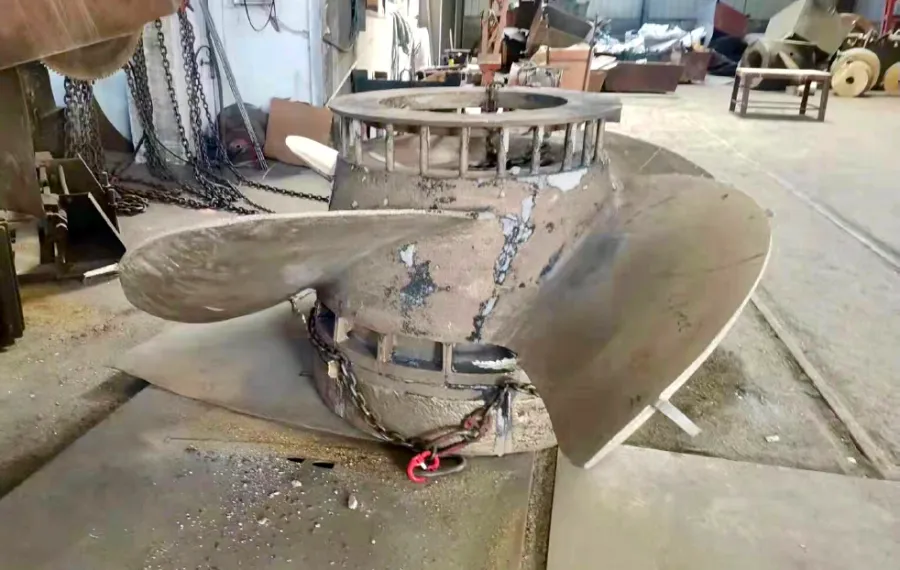
Energy saving duct and propeller on the workshop floor during production
4

Production

Class-approved manufacturing

Devices are fabricated from the highest-quality materials in the shortest lead time available, and structurally certified by class before delivery.

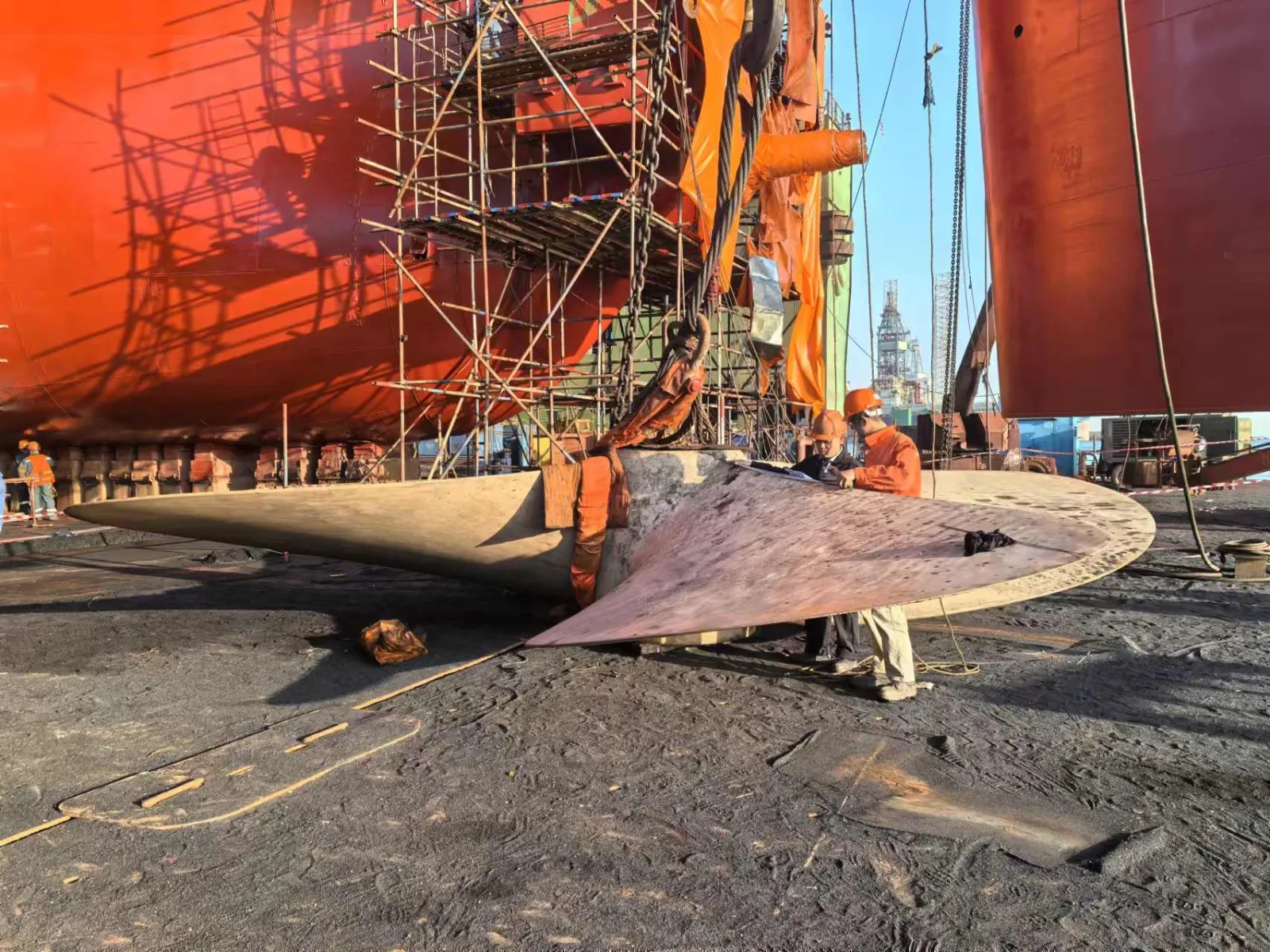
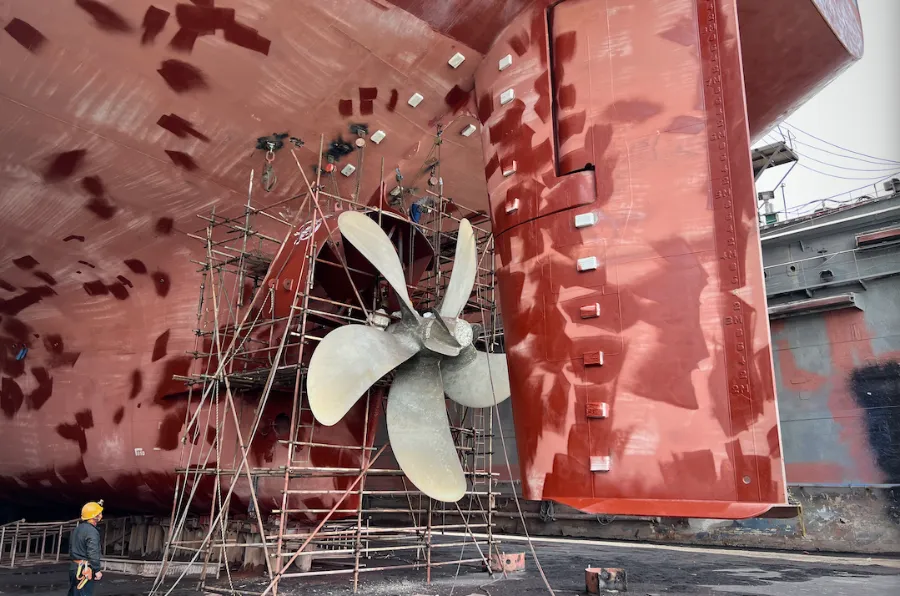
Propeller and energy saving device being fitted on scaffolding in drydock
5

Installation

On-site supervision

Products arrive at the shipyard ready to fit; our engineers supervise on site. Trailing-edge trimming is done in situ to class-approved drawings.

Completed installation of a ducted propeller on a red hull
6

Verification

Performance verification

Sailing records confirm the actual saving. The EEXI technical file and RightShip GHG rating are updated with the model-test results.

Proven results

Recent installations.

Real installations on real vessels, with fuel reductions verified by class. Tap any photo to open the full-screen gallery, then swipe or use the arrows.

2,000+

applications with proven savings

Up to 12%

energy saving effect

More energy solutions
Main engine power recovery

~12% EEXI improvement

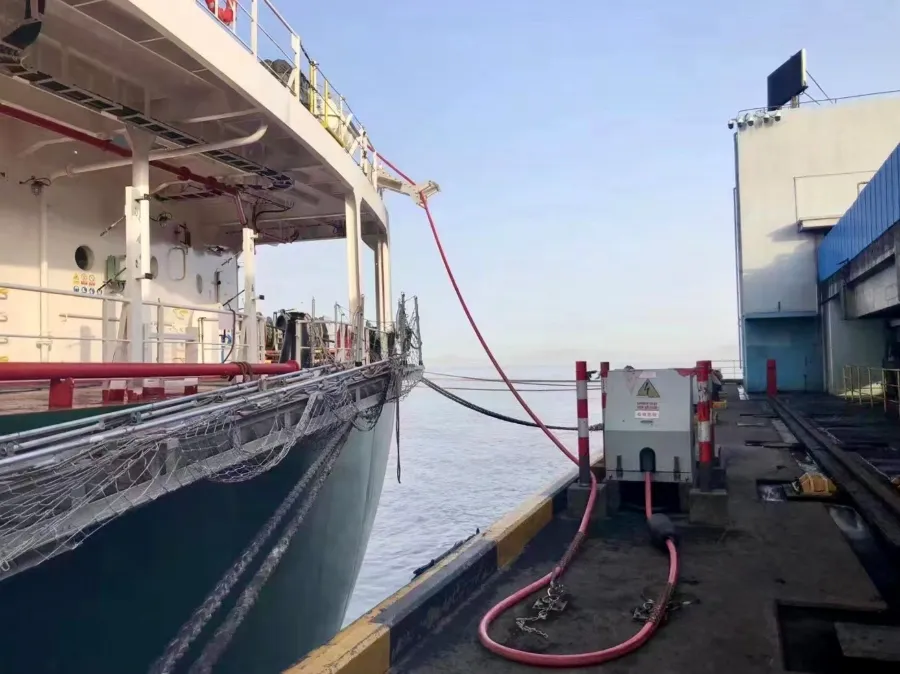
Zero-emission berthing

Up to 8 MW

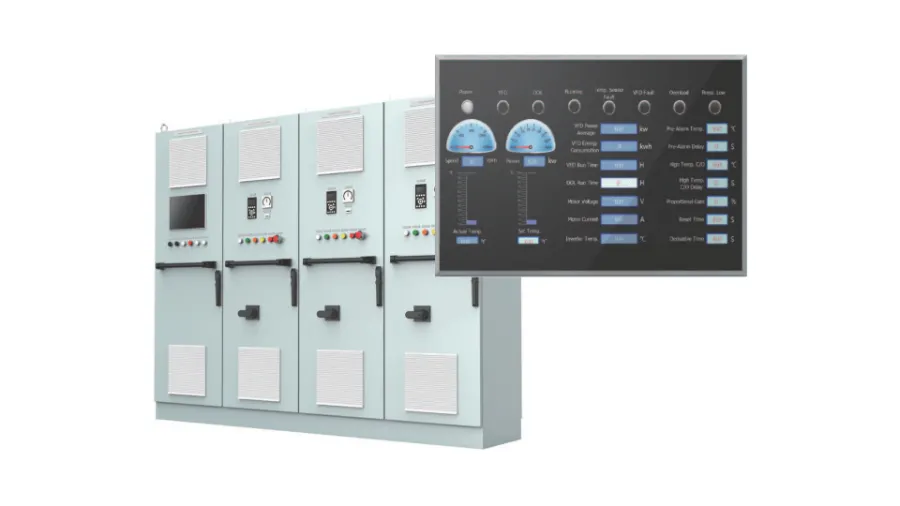
Smart pump & fan control

Up to 50% less pump & fan power

What's next

Let’s evaluate your fleet.

We are happy to receive your inquiries about preliminary evaluation studies of your fleet. Send us the vessels you want reviewed, and our engineers will scope the solutions that fit each one.

Preliminary evaluation
  • Last years CII Rating performance
  • Improvement according to each solution
  • Energy Saving Device proposal
  • Detailed case vessel evaluation